|
 |
 |
 |
|
|
Home | More Articles | Join as a Member! | Post Your Job - Free! | All Translation Agencies | |
|
|||||||
|
|
|
|
Written language
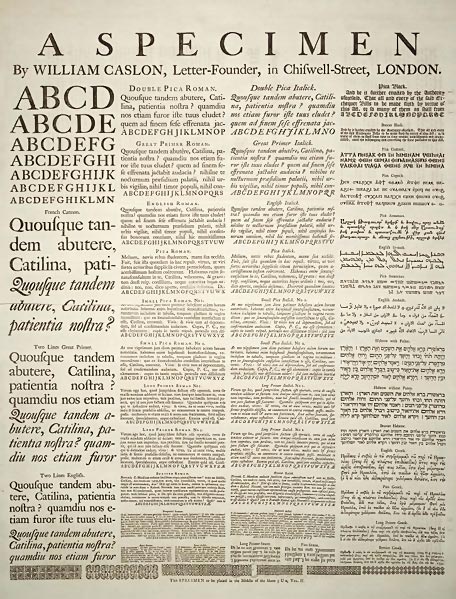
A written language is the representation of a language by means of a writing system. Written language is an invention in that it must be taught to children, who will instinctively learn or create spoken or gestural languages. A written language exists only as a complement to a specific spoken or gestural language, and no natural language is purely written. However, extinct languages may be in effect purely written when only their writings survive.
Written languages evolve more slowly than corresponding spoken languages. When one or more registers of a language come to be strongly divergent from spoken language, the resulting situation is called diglossia. However, such diglossia is often considered as one between literary language and other registers, especially if the writing system reflects its pronunciation. Native readers and writers of English are often unaware that the complexities of English spelling make written English a somewhat artificial construct. The traditional spelling of English, at least for inherited words, preserves a late Middle English phonology that is no one's speech dialect; the artificial preservation of this much earlier form of the language in writing might make much of what we write intelligible to Chaucer, even if we could not understand his speech. Tom McArthur suggests that it is at least arguable that written and spoken English have reached the stage that can be considered diglossia. Further reading
Source: http://en.wikipedia.org/wiki/Written_language Published - September 2008 Information from Wikipedia
is available under the terms of the GNU Free Documentation
License
E-mail this article to your colleague! Need more translation jobs? Click here! Translation agencies are welcome to register here - Free! Freelance translators are welcome to register here - Free! |
|
|
|
|
|
|
| |||
Legal Disclaimer Site Map |